Radio Frequency (RF) corresponds to the high-frequency portion of the electromagnetic spectrum, typically utilized in the communication industry. An essential part of this ecosystem is the RF power source, a system designed to generate and supply high-frequency electromagnetic fields. These fields interact with a specialized enclosed device, known as a cavity. This cavity, acting much like a tuning fork for electromagnetic waves, resonates when exposed to RF fields of a particular frequency. This resonance allows for the efficient transfer and utilization of RF energy, making it integral to the operation of many forms of wireless communication and broadcasting systems.
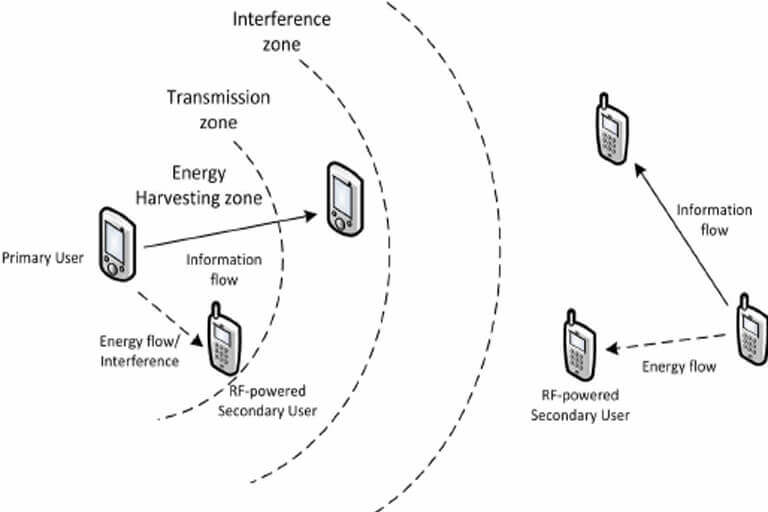
RF-powered computing is transforming the landscape of machine-to-machine (M2M) networking by harnessing ambient radio frequency (RF) signals from cellular, Wi-Fi, and radio sources. These ultra-low power computing devices circumvent the need for traditional power sources, operating solely on harvested energy. This technology is particularly advantageous in wireless sensor networks and other M2M networks, where both low processing and bandwidth requirements are catered to. Notably, RF-powered environments require less maintenance and eliminate the need for battery replacements, making them a practical choice in scenarios where wired connections are not feasible. This innovation is poised to redefine the future of low-power devices and M2M communication.
RF-powered computing and communication, leveraging Wi-Fi backscattering, exhibit immense potential for creating energy-efficient networks. The method involves selectively reflecting ambient signals, which induces slight yet discernible variations in signal strength. These small fluctuations, when analyzed by specifically calibrated devices, are interpreted as a distinctive data transmission. Despite the low power requirements for receiving data, the larger power demand traditionally associated with broadcasting has been a challenge. However, RF-powered devices can harvest sufficient power, outperforming traditional Wi-Fi signals that require more than 2.5 times the power. Consequently, even a small, 1kW licensed AM radio station can adequately power RF devices up to a distance of 1.2 miles. Moreover, low-power signals at closer ranges can operate in unregulated frequency bands, bypassing FCC licensing requirements, thereby enhancing the versatility and practicality of RF-powered networks.