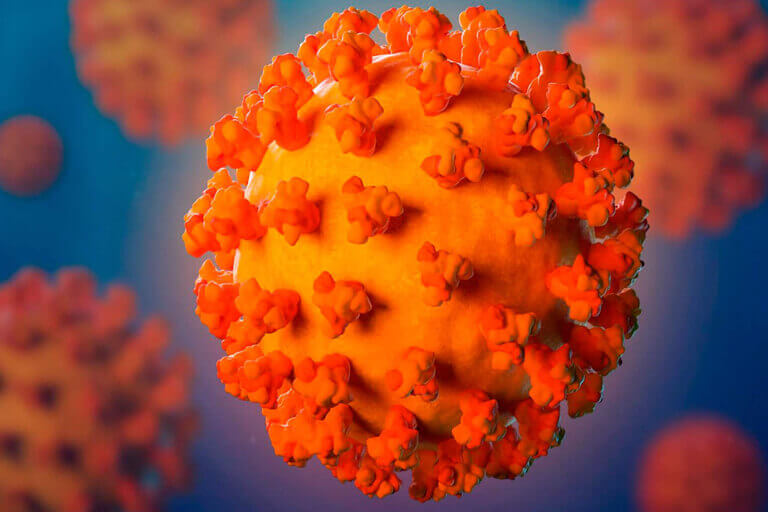
In late December 2019, the city of Wuhan in China became the epicenter of an emerging health crisis. Individuals began exhibiting symptoms of an unknown form of pneumonia, signaling the onset of a previously unidentified infectious disease. This new illness was later recognized as being caused by a novel strain of coronavirus, which was given the scientific name SARS-CoV-2. The World Health Organization (WHO) subsequently named the disease caused by this virus as coronavirus disease 2019, or COVID-19.
On January 30, 2020, the World Health Organization (WHO) took the significant step of declaring the outbreak of COVID-19 to be a Public Health Emergency of International Concern. The situation quickly escalated, and by March 11, 2020, the WHO had reclassified the outbreak as a full-blown pandemic. This marked a pivotal moment in our global health history, catalyzing an unprecedented international response to an escalating health crisis.
Following the lifting of the Public Health Emergency of International Concern (PHEIC) by the WHO, and the end of the federal COVID-19 Public Health Emergency in the US, regular life has gradually begun to resume. The focus has now shifted from crisis management to long-term recovery and resilience. The world has recognized the importance of robust healthcare systems, rapid testing capabilities, and effective vaccination programs in safeguarding public health. Despite the grim toll of the pandemic, it has also fostered unprecedented global collaboration in the fields of medicine and science, setting a strong precedent for future public health crises.
From December 2019 to May 25, 2023, the COVID-19 pandemic has caused immense global disruption, with nearly 700 million cases and almost 7 million deaths reported worldwide. This devastating virus has transcended geographical boundaries, impacting every facet of human life, from health and economy to social interactions and beyond. The unprecedented scale of the pandemic has underscored the interconnectedness of our world, reminding us of our collective vulnerability and the critical importance of global solidarity in the face of such crises.
The Covid-19 pandemic has cast a global shadow, with reported cases spanning 229 countries and territories worldwide. This truly global crisis has left virtually no corner of the globe untouched. Intriguingly, only one nation, Turkmenistan, has never reported a single case of the disease, maintaining its status as potentially untouched by this worldwide health crisis.
Since nearly the onset of the pandemic in spring 2020, the United States has unfortunately been leading the world in the number of cases and deaths. The country has reported around 62 million more cases than the next closest country, India. This vast disparity underscores the severity of the situation in the United States and highlights the pressing need for effective measures to control the spread of the virus.
The advent and widespread adoption of home testing kits have posed significant obstacles to accurate tracking of COVID-19 cases. These at-home tests, while extremely handy for individuals, often go unreported in official figures, leading to significant underestimation of the actual number of cases. Interestingly, a novel and potentially more accurate method for tracking the virus’s prevalence has emerged by examining the amount of the virus present in wastewater. This approach is grounded in the fact that SARS-CoV-2, the virus that causes COVID-19, can be detected in the stool of infected individuals. By periodically testing wastewater samples, scientists can estimate the number of infections in a certain area, providing a more accurate picture of the virus’s spread. This method holds promise as a reliable tool for monitoring COVID-19 trends and informing public health responses.
The World Health Organization (WHO) officially lifted the Public Health Emergency of International Concern (PHEIC) for COVID-19 on May 5, 2023. This marked a significant milestone in the global battle against the pandemic, signaling a shift from emergency response to long-term recovery and management. Merely six days later, on May 11, 2023, the United States followed suit and declared an end to the federal COVID-19 Public Health Emergency. This decision reflected the declining number of cases and signaled a shift towards normalization, yet the country continues to prioritize health measures and vaccination efforts to prevent future resurgence.
The creation of vaccines to combat COVID-19 marked a pivotal turning point in the global pandemic, drastically reducing the rate of infections and deaths. The first vaccination was administered on December 8, 2020, and since then, the global vaccination campaign has made significant strides. As of May 25, 2023, 70% of the global population has received at least one dose of the COVID-19 vaccine. However, this figure plunges drastically in low-income countries, where merely 30% of people have been administered a first dose. This stark discrepancy underscores the ongoing challenges in achieving worldwide vaccination equity. Despite these challenges, the global community has rallied together in a monumental effort, with over 13.39 billion vaccine doses administered worldwide to date, a testament to the collective will to conquer the pandemic.