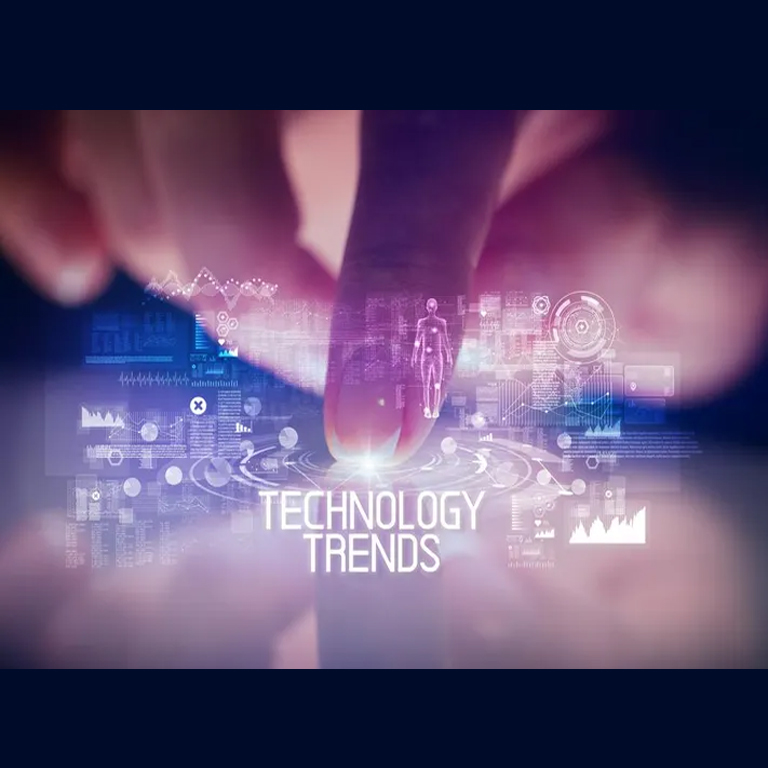
As we step into 2020, there are several emerging trends in event technology that are reshaping the way we plan, manage, and execute events. Virtual Reality (VR) and Augmented Reality (AR) are making headway, providing immersive experiences that captivate attendees. AI-based event chatbots are improving customer service with instant, automated replies. Big Data is being leveraged to better understand attendee behavior and preferences, enabling the creation of personalized experiences. Furthermore, sustainable event technologies are gaining traction as the industry turns its focus towards environmental responsibility. Lastly, the use of wearable technology is set to increase, enhancing attendee engagement and interaction.
Live streaming has indeed become a cornerstone of technological innovation in the event industry. This long-standing trend gains new impetus as the world grapples with the COVID-19 pandemic, pushing organizations to reinvent their event strategies. Many brands, including tech giants like Google and Facebook, have swiftly transitioned from in-person to virtual events, utilizing live streaming to keep their audiences informed, engaged, and connected during these challenging times. Demandbase, another example, uses live streaming to provide content that directly addresses the pandemic, supporting its clientele in navigating this unprecedented scenario. However, the potential of live streaming extends beyond immediate crisis response. It opens up myriad opportunities for brands to tailor their content according to their audience’s evolving needs, offering invaluable solutions and insights. This shift, although instigated by a crisis, has demonstrated the enduring value and versatility of live streaming in modern event management.
According to research firm Markets and Markets, the AI market is projected to grow into a staggering $190 billion industry by 2025. This trend testifies to the global business community’s increased reliance on AI in myriad forms over the next half-decade. The popularity of artificial intelligence can be credited to its remarkable potential in customizing user experiences. It has the unique capability to cater to individual needs, providing personalized interfaces and recommendations based on user behavior and preferences. Yet, it simultaneously fosters a sense of community, especially in these trying times. AI-powered platforms and applications are among the primary tools that enable us to stay connected, informed, and engaged amid the ongoing pandemic. Companies that harness the power of AI can not only improve their operational efficiency but also build more meaningful, enduring relationships with their clientele.
Facial recognition technology has emerged as another significant trend in the tech landscape. It employs sophisticated software to track, record, and store an individual’s unique facial features. Although it does not boast 100% accuracy, it still offers immense utility across various sectors. In security, facial recognition is increasingly being used for access control and identity verification purposes. Retailers are leveraging it to provide personalized customer experiences, while social media networks use it for photo tagging. Despite the occasional challenges of miss identification, the technology continues to evolve and improve, promising to play an even more pivotal role in shaping the future of tech-based interactions and transactions.
Collecting real-time event data transforms the way event organizers understand and respond to attendee experiences. With immediate insights into what is resonating with attendees and what isn’t, organizers can swiftly pivot to enhance the event’s overall impact. For instance, if a particular speaker is generating a lot of positive chatter on social media or the event app, organizers might consider extending their session or planning a follow-up interaction. Conversely, real-time data can help identify areas of the event that are not meeting attendee expectations, enabling immediate course correction. Furthermore, this data can be instrumental in identifying tech-related issues. If attendees are having difficulty accessing certain features of an event app or experiencing glitches in a virtual event platform, real-time data can flag these problems for immediate resolution. Lastly, real-time data can guide the creation and delivery of content during the event. Organizers can track which topics are generating the most interest or engagement and focus on delivering more of that content. The real power of real-time data lies in its capacity to foster a more responsive, attendee-centred event experience.